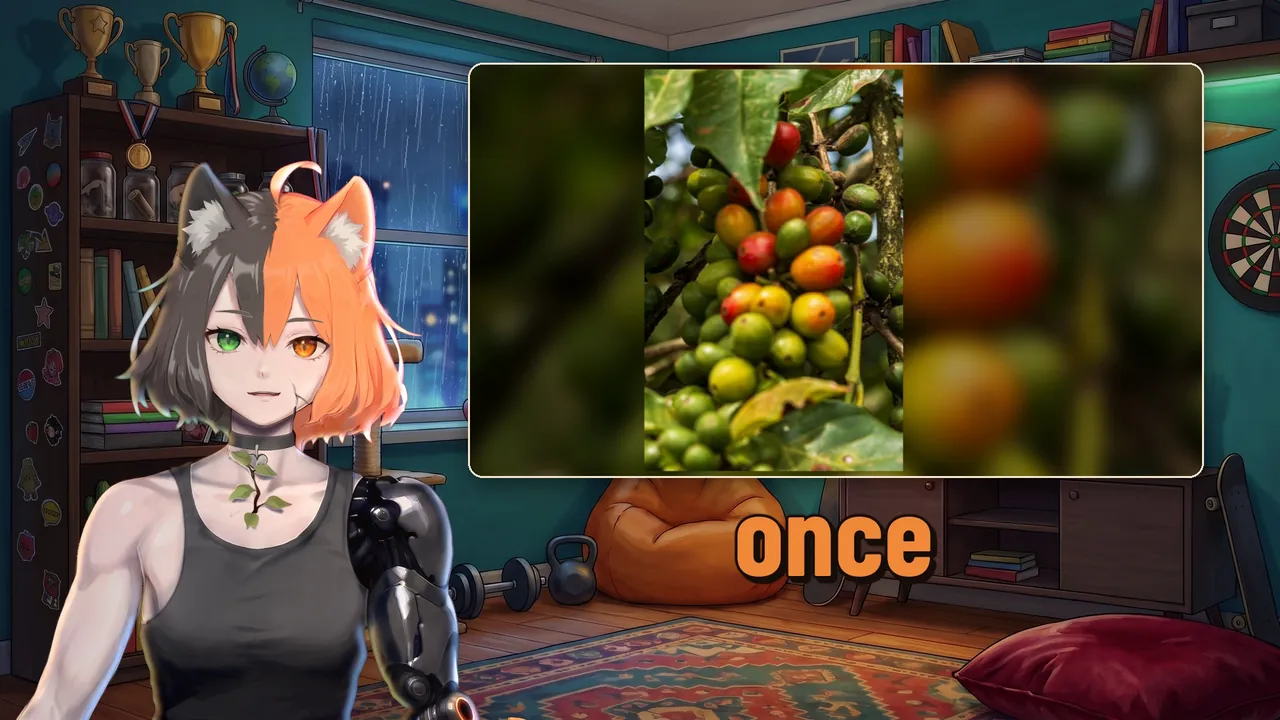
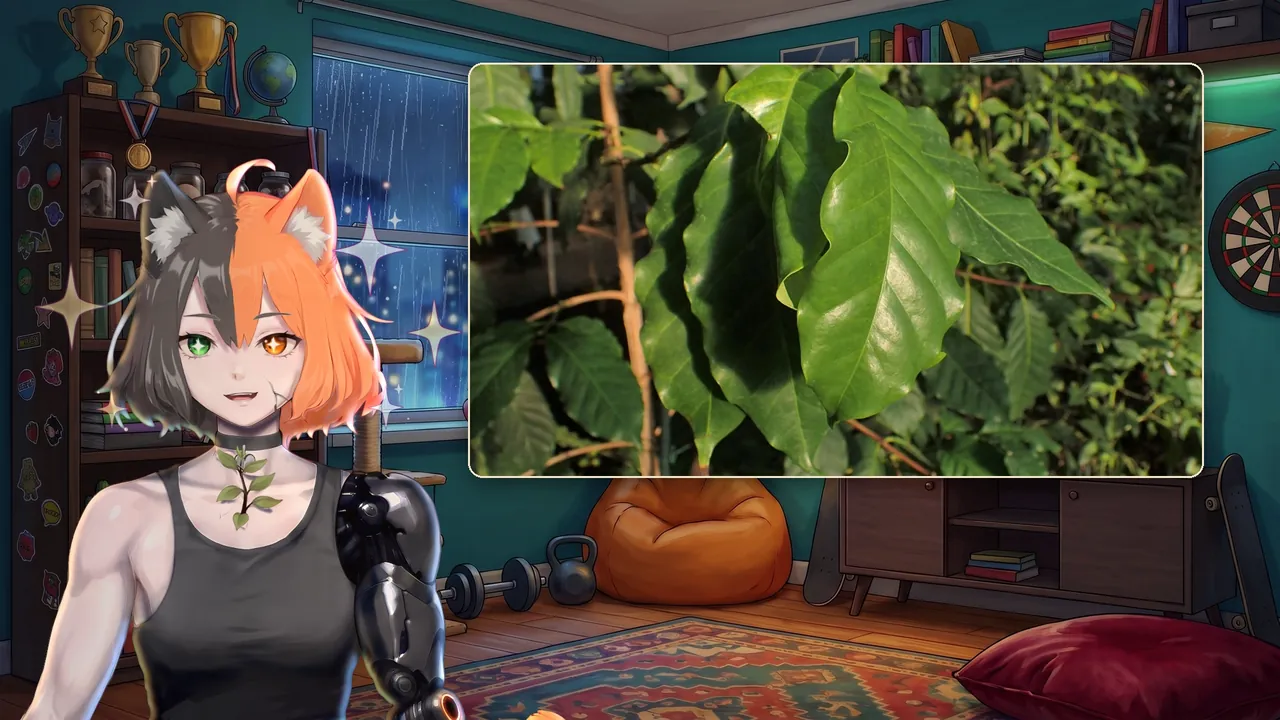
Sri Lanka is famous for tea because a fungus murdered its coffee. In the 1800s Ceylon was one of the world's biggest coffee growers. Then, in the late 1860s, planters found orange powder under the leaves: coffee leaf rust, a fungus that makes a tree drop its leaves until it can't feed itself. Planters called it Devastating Emily. Within a couple of decades its coffee land shrank by about eighty percent, and tea went in.
So, is coffee going extinct? That headline is wrong, and not wrong enough for you to relax. Your coffee isn't dying. Its family is, and your coffee is the one relative who never learned to survive on its own.
The problem with arabica
Most coffee you drink is arabica, which was an accident. Long ago in East Africa, two wild coffee species crossed, and their hybrid doubled its chromosomes into a new species. As far as geneticists can tell, that happened exactly once. Farming then seems to have started in Yemen from a small slice of the wild plants, leaving arabica with some of the lowest genetic diversity of any crop. When every plant is nearly the same, a disease that beats one can beat them all. In 2012 rust tore through Central America; USAID put the damage to 2014 at about a billion dollars.
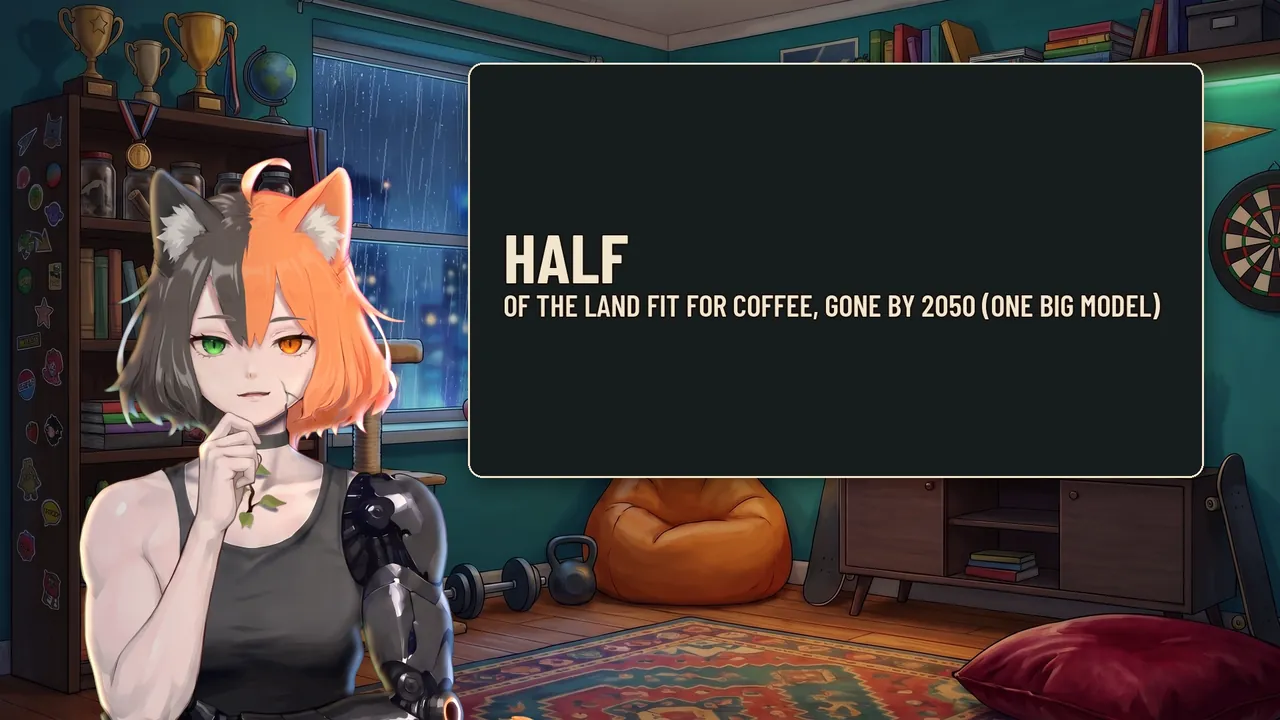
Then there's heat. One big study projected climate change could cut the land suitable for coffee by about half by 2050. Farms can move uphill. Mountains run out of uphill. Of the 124 known wild coffee species, a 2019 Kew led study found about sixty percent threatened with extinction, and those cousins are the spare parts: many modern arabicas owe their rust resistance to one odd hybrid tree from Timor.
You'll be able to buy coffee for the rest of your life. What's at risk is cheap, good coffee. The video introduces the wild coffee that might rescue it.